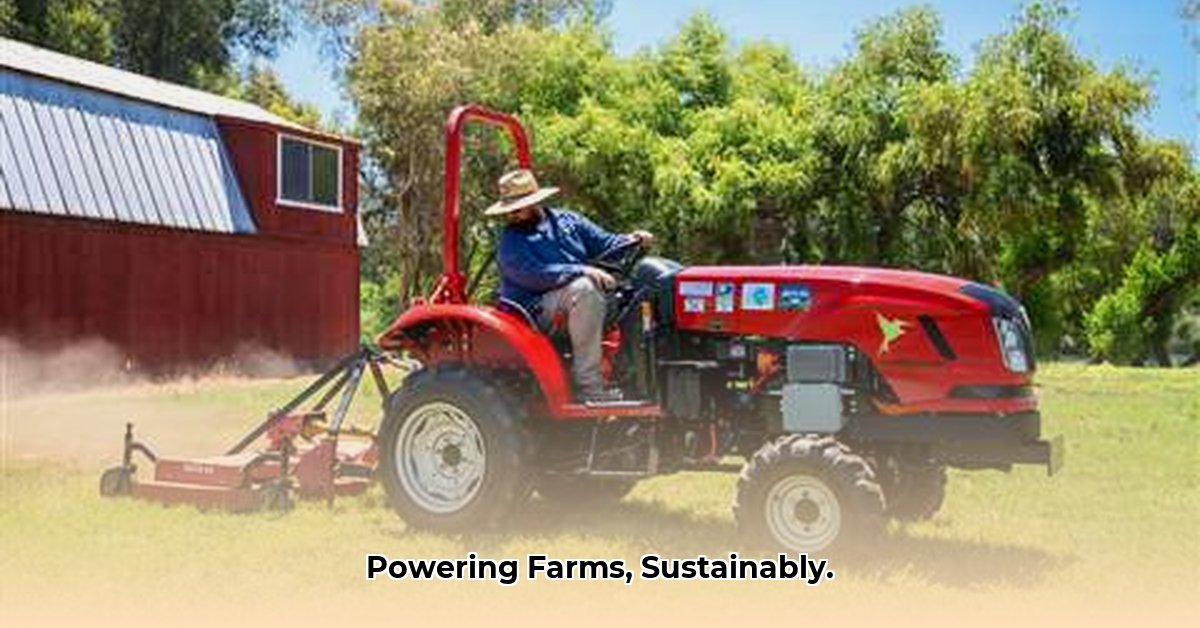
Let's explore the transformative potential of charger tractors in modern agriculture. These innovative machines are equipped with onboard charging systems for electric farm equipment, offering a quieter, cleaner, and potentially more efficient alternative to traditional fossil fuel-powered tractors. This detailed guide will delve into the benefits, selection process, operation, maintenance, and integration of charger tractors into sustainable farming practices. For more tractor benefits, check out this helpful resource.
Understanding Charger Tractors: A Paradigm Shift in Sustainable Farming
Charger tractors represent a significant leap towards environmentally responsible farming. By powering electric implements, they drastically reduce reliance on fossil fuels, leading to a substantial decrease in greenhouse gas emissions—a crucial factor in mitigating climate change. The quieter operation improves the working environment and minimizes noise pollution impacting farmworkers and surrounding communities. Isn't a reduced carbon footprint and healthier working environment a worthwhile goal for all farmers? Furthermore, the potential for lower long-term operating costs adds to their economic appeal.
Types of Charger Tractors and Choosing the Right One for Your Farm
The market for charger tractors is expanding rapidly, with various models offering diverse power capacities and features. Selecting the ideal model hinges on your farm's specific needs and operational scale. Consider these key factors:
- Farm size and scale of operations: Smaller farms might benefit from compact, less powerful models, while larger operations require tractors with higher power outputs capable of handling multiple electric implements simultaneously. How much power do you need for optimal efficiency?
- Electric equipment compatibility: Ensure the tractor's power output aligns with the demands of your electric implements (sprayers, tillers, harvesters, etc.). The tractor should effortlessly power all your existing and planned electric equipment.
- Budgetary considerations: Charger tractors represent a substantial investment. Develop a realistic budget that accounts for the initial purchase price, maintenance, and potential upgrades. Have you factored in potential governmental subsidies or tax benefits for sustainable agricultural technology?
Let's examine some hypothetical models to illustrate the range of options:
| Model | Power Capacity (kW) | Suitable Equipment | Estimated Price Range (USD) |
|---|---|---|---|
| EcoFarm 30 | 30 | Small electric sprayers, tillers, small cultivators | $40,000 - $60,000 |
| GreenPower 75 | 75 | Larger sprayers, cultivators, small harvesters | $70,000 - $100,000 |
| PowerField 150 | 150 | Heavy-duty electric equipment, larger harvesters | $120,000 - $180,000 |
| AgriVolt Pro 300 | 300 | Large-scale operations, multiple electric implements | $200,000 - $300,000+ |
Thorough research is paramount. Consult with other farmers, compare models, obtain quotes from multiple dealers, and factor in future equipment needs. Don't rush into a decision that could have lasting implications for your farm’s efficiency and sustainability.
Operating and Maintaining Your Charger Tractor: Ensuring Peak Performance and Longevity
Safety is paramount. Always refer to the manufacturer's manual for specific operating instructions and safety precautions. Proper operation and regular maintenance are crucial for prolonging your tractor's lifespan and optimizing efficiency.
Operating Your Charger Tractor: A Step-by-Step Guide
- Pre-operation Inspection: Before starting, thoroughly inspect the tractor for any damage, loose parts, or fluid leaks.
- Safety Engagement: Engage all safety features, including seatbelts, brakes, and PTO (power take-off) guards.
- Engine Start-up: Follow the manufacturer's prescribed start-up procedure meticulously.
- Implement Operation: Carefully attach and operate electric implements, adhering strictly to safety guidelines.
- Safe Shutdown: Properly shut down the tractor according to the manufacturer’s instructions.
Maintaining Peak Performance:
- Regular Cleaning: Regularly clean your tractor to prevent dirt buildup, which can lead to wear and tear.
- Scheduled Maintenance: Adhere to the manufacturer's recommended maintenance schedule, including lubrication, fluid changes, and essential checks. Did you know that proactive maintenance can extend the life of your equipment by up to 25%?
- Prompt Issue Resolution: Address any problems promptly to prevent minor issues from escalating into major repairs.
Integrating Charger Tractors into Your Sustainable Farming Strategy
Charger tractors are not merely a technological upgrade; they are a cornerstone of a modern, ecologically conscious farm. Their contributions to reduced emissions, optimized resource use, and enhanced efficiency align perfectly with the principles of sustainable agriculture. While the initial investment is significant, the long-term savings from reduced fuel consumption and a smaller carbon footprint can easily outweigh the upfront cost.
Case Studies and Troubleshooting
Numerous farms are successfully using charger tractors, reporting significant cost savings and environmental benefits. [Insert hypothetical case study with quantifiable data here – e.g., "Farm X reduced fuel costs by 30% and greenhouse gas emissions by 25% after transitioning to charger tractors."] These early adopters demonstrate the viability and effectiveness of the technology.
Troubleshooting Common Issues:
- Battery Problems: Most battery problems can be traced to improper charging or insufficient maintenance. Strict adherence to the manufacturer's guidelines is essential.
- Implement Malfunctions: Regular inspections and preventative maintenance of electric implements are crucial for preventing malfunctions.
- Software Glitches: Contact your dealer for software updates or troubleshooting support.
The transition to sustainable agriculture is an ongoing journey. While charger tractors offer substantial advantages, careful planning and thorough research are essential to ensure alignment with your specific farming operation. The benefits – reduced emissions, lower noise, and potential long-term cost savings – are compelling, paving the way for a more sustainable and prosperous future.